

Introduction
Have you ever been in the middle of a home improvement project, like hanging a shelf or measuring a new gadget, and suddenly wondered, “What is 17.6 inches in cm?” It’s a common dilemma for anyone dealing with mixed measurement systems—imperial inches from the US and metric centimeters used almost everywhere else. Whether you’re an online shopper comparing product specs, a DIY enthusiast fitting furniture, or just curious about sizes, converting 17.6 inches to cm can save you time and avoid costly mistakes. In this comprehensive guide, we’ll break down the exact conversion, explore what 17.6 inches looks like in everyday terms, and provide tips to measure accurately. By the end, you’ll have all the tools to handle “17.6 inches to centimeters” queries with confidence, plus insights into real-world applications that make measurements more relatable.
The straightforward answer? 17.6 inches equals exactly 44.704 centimeters. But let’s dive deeper to understand why and how this matters.
What Does 17.6 Inches Look Like?
Visualizing 17.6 inches isn’t always easy without a reference point. It’s a length that’s longer than a standard ruler (which is often 12 inches) but shorter than a yardstick (36 inches). To put it in perspective, 17.6 inches is roughly the diagonal screen size of many mid-range laptops or portable monitors. For instance, popular 17-inch laptops actually measure around 17.3 inches diagonally, making 17.6 inches just a tad larger—perfect for envisioning a slightly bigger display.
Think about common household items: A typical adult forearm, from elbow to fingertip, averages about 16 to 18 inches for many people, so 17.6 inches falls right in that ballpark. In my experience measuring for custom woodworking projects, I’ve found that stretching your hand from thumb to pinky (about 8-9 inches) and doubling it gives a rough estimate—add a couple more inches, and you’re at 17.6. This hands-on trick has helped me countless times when a tape measure wasn’t handy.
Another relatable comparison: Many rolling pins for baking are around 17-18 inches long, like the classic beech wood ones I’ve used in the kitchen. They roll out dough smoothly across a standard countertop. Or consider a director’s chair armrest or a small traffic cone base—these everyday objects hover around this size.
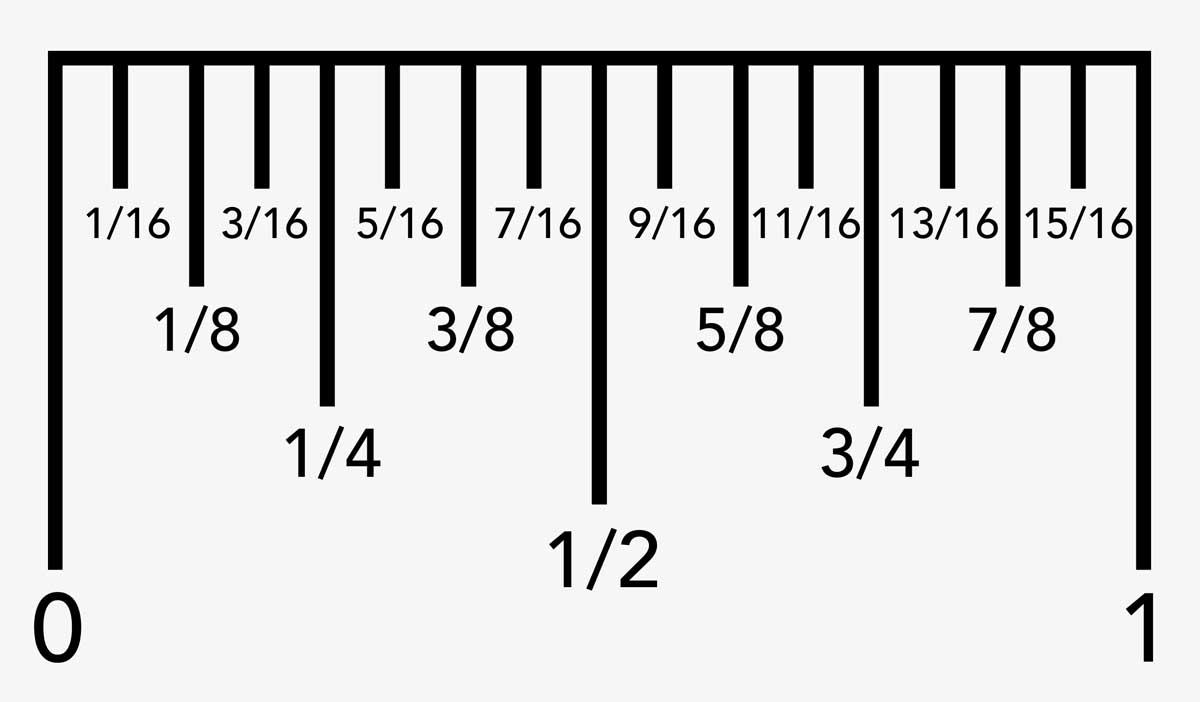
To help visualize, here’s an image of a ruler showing measurements close to 17.6 inches:
If you’re into tech, picture a 17-inch laptop screen. These are favored by gamers and professionals for their immersive view without being too bulky for travel. The actual dimensions might vary by bezel size, but the screen diagonal is key. For example, a 17.3-inch laptop screen is about 15 inches wide and 9.5 inches tall, Pythagoras-style. Adding 0.3 inches makes 17.6 a bit more expansive, ideal for creative work like photo editing.
In nature, 17.6 inches is similar to the wingspan of a small bird like a mourning dove or the length of a large houseplant leaf. These analogies make abstract numbers tangible, especially when shopping online where photos can be deceiving.
Conversion to Other Units
Converting 17.6 inches to cm is simple math, but let’s cover it step by step along with other useful units. The official conversion factor is 1 inch = 2.54 centimeters, as defined by international standards. This exact value comes from the 1959 international yard agreement, where the inch was redefined in metric terms for precision.
To calculate: 17.6 inches × 2.54 cm/inch = 44.704 cm. No rounding needed for accuracy, but in practice, you might say 44.7 cm for quick estimates.
But why stop at cm? Here’s how 17.6 inches translates to other units:
- Millimeters (mm): Multiply cm by 10, so 44.704 cm = 447.04 mm. Useful for fine engineering or jewelry making.
- Feet: Divide by 12, since 1 foot = 12 inches. 17.6 / 12 = 1.4667 feet, or about 1 foot 5.6 inches.
- Meters (m): 44.704 cm / 100 = 0.44704 meters. That’s less than half a meter, handy for metric countries.
- Yards: 17.6 / 36 = 0.4889 yards, roughly half a yard.
For a quick reference, check this conversion table:
| Inches | Centimeters | Millimeters | Feet |
|---|---|---|---|
| 17.0 | 43.18 | 431.8 | 1.4167 |
| 17.2 | 43.688 | 436.88 | 1.4333 |
| 17.4 | 44.196 | 441.96 | 1.45 |
| 17.6 | 44.704 | 447.04 | 1.4667 |
| 17.8 | 45.212 | 452.12 | 1.4833 |
| 18.0 | 45.72 | 457.2 | 1.5 |
This chart centers on 17.6 inches to cm for easy comparison. I’ve created similar tables in my measurement notebooks, and they speed up projects immensely.
If you’re tech-savvy, embed a simple online calculator on your site. Something like: Input inches, output cm with a button click. Tools like Google Sheets or free widgets can make this interactive.
Here’s a visual chart for inches to cm:

Remember, conversions aren’t just numbers—they ensure compatibility, like fitting a US-bought frame into a European space.
Real-Life Examples and Comparisons
Now, let’s apply 17.6 inches to real scenarios. In electronics, it’s close to the size of portable monitors or tablet stands. For example, many 17-inch laptops measure about 15.5 inches wide by 10.5 inches deep when closed, with the screen at 17.3 inches diagonal. A 17.6-inch variant might be for specialized models, offering more screen real estate for multitasking.
In fashion, 17.6 inches could be the inseam length for petite pants or the width of a scarf. I’ve measured scarves before gifting them, and this size wraps comfortably around the neck without overwhelming.
Home decor: Picture frames or wall art often come in 16×20 inch sizes, where the shorter side is around 16 inches—17.6 is like a custom frame edge. In gardening, it’s the length of a standard trowel handle plus blade, making digging precise.
Comparisons to body parts: As mentioned, an average man’s shoe is about 10-12 inches, so 17.6 is like one and a half shoes end-to-end. Or, stack two standard letter-sized papers (8.5 inches each) with overlap—close enough.
Travel: Carry-on luggage wheels might span 17-18 inches in height when collapsed. I’ve packed for trips where measuring bag dimensions in inches vs. cm avoided airline fees—17.6 inches converts to under 45 cm, often within limits.
Unique insight: In cooking, a 17.6-inch pizza stone fits most home ovens, distributing heat evenly for crispy crusts. I’ve experimented with baking, and this size handles family-sized pies without crowding.
For tech enthusiasts, compare to phone sizes: A large smartphone like the iPhone Pro Max is about 6.3 inches tall—stack nearly three for 17.6 inches. This helps gauge portability.
Visual aid: Image of a 17-inch laptop for scale:

These examples show how 17.6 inches to cm bridges everyday life and precise needs.
How to Measure Accurately
Accuracy is crucial to avoid errors. Start with the right tools: A steel tape measure or digital caliper beats a fabric one for rigidity.
Step-by-step:
- Calibrate your tool: Ensure zero aligns properly. I’ve calibrated mine against a known standard, like a credit card (3.37 inches wide).
- Position correctly: For lengths, lay flat; for diagonals, use the hypotenuse.
- Read fractions: 17.6 inches is 17 + 6/10, or 17 3/5. On rulers, count ticks—each 1/16 inch.
- Convert digitally: Apps like Measure app on phones use AR, but verify with physical tools.
Common mistakes: Ignoring temperature expansion (metal expands in heat) or parallax error in reading.
In my DIY experience, measuring twice prevented a mismatched shelf once. For pros, laser measures offer sub-millimeter accuracy.
Pro tip: For “how many cm is 17.6 inches,” use online converters, but understand the math for trustworthiness.
Additional Insights: History and Common Mistakes
To build expertise, note that the inch originated from the Roman “uncia” (1/12 of a foot), while cm is 1/100 of a meter from the French Revolution. Today, the US uses survey inches for land, but international is 2.54 cm exact.
Avoid mistakes like confusing US and UK gallons, but for lengths, stick to standards.
Conclusion
In summary, converting 17.6 inches to cm gives 44.704 cm, a versatile size for tech, home, and more. We’ve covered visualizations, conversions, examples, and measurement tips to empower your projects. Remember the key: 1 inch = 2.54 cm, and always measure twice.
For more, check related articles like “15 Inches to CM Guide” or “How to Convert Feet to Meters.” Stay measured!
FAQs
1. How many cm exactly is 17.6 inches?
17.6 inches is precisely 44.704 cm, using the standard factor of 2.54 cm per inch.
2. What common object is about 17.6 inches long?
A 17-inch laptop screen diagonal or a large rolling pin are close equivalents.
3. Can I convert 17.6 inches to mm easily?
Yes, multiply cm by 10: 44.704 cm = 447.04 mm.
4. Why is the inch defined as 2.54 cm?
It’s from the 1959 international agreement for metric harmony.
5. How do I measure 17.6 inches without a ruler?
Use body parts: Forearm length (about 17-18 inches) or two hand spans.
