

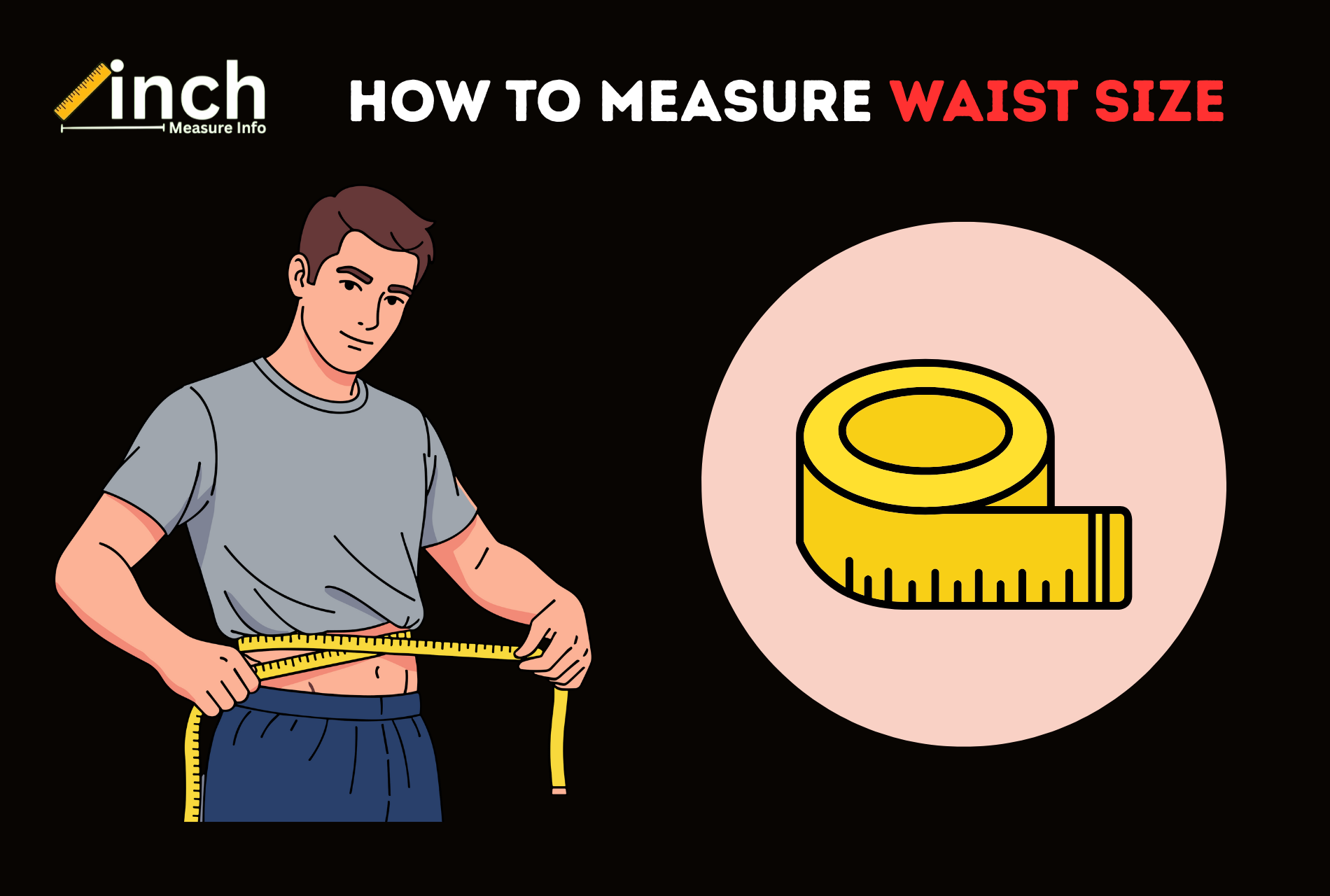
Measuring waist size correctly is important for choosing the right clothing, tracking body measurements, and understanding health indicators. Whether you are buying jeans online, tailoring clothes, or monitoring fitness progress, an accurate waist measurement ensures comfort and confidence. Many people measure their waist incorrectly by placing the tape in the wrong position or pulling it too tight, which leads to inaccurate results.
In this guide, you will learn how to measure waist size step by step, understand the correct waist location for men and women, explore measurement units such as inches and centimeters, and avoid common mistakes. This article covers everything from basic tools to professional tips so you can measure your waist accurately at home.
Read More : What Are the Units of Measurement for the Metric System
What Is Waist Measurement?
Waist measurement refers to the circumference of the narrowest part of your torso, usually located between the rib cage and hips. It is one of the most commonly used body measurements for clothing sizing and health assessments. Waist size is typically measured in inches or centimeters and is used by clothing brands, tailors, and healthcare professionals.
The waist is not the same as the belly or hip area. Many people confuse waist measurement with where pants sit, but the natural waist is slightly higher. Knowing the correct location is essential for accurate measurement. Waist size plays a key role in determining pant size, dress fitting, and body proportions.
In health terms, waist measurement is often used as an indicator of abdominal fat. A larger waist size may be associated with certain health risks, which is why doctors and fitness experts often track it. Whether for fashion or health reasons, understanding waist measurement helps you make informed decisions.
Why Measuring Waist Size Correctly Is Important
Measuring waist size accurately helps ensure proper clothing fit. Clothes that are too tight can feel uncomfortable, while loose clothing may not look or feel right. Accurate measurements help avoid frequent returns when shopping online and reduce tailoring costs.
From a health perspective, waist measurement provides insight into body fat distribution. Doctors often use waist size along with other measurements to assess overall health. Tracking waist size over time can help monitor lifestyle changes such as diet and exercise.
For men and women alike, correct waist measurement improves confidence when selecting clothing. It ensures consistency when comparing sizes across different brands, which often vary. A precise waist measurement is a small step that makes a big difference in comfort, appearance, and health awareness.
Tools Needed to Measure Waist Size
The most accurate tool for measuring waist size is a flexible measuring tape, commonly used in tailoring. It easily wraps around the body and provides precise readings. If you do not have a measuring tape, a string or paper strip can be used as an alternative.
A mirror is also helpful to ensure the tape remains level around your waist. Measuring on bare skin or thin clothing is recommended for accuracy. Avoid bulky clothing, belts, or thick fabrics during measurement.
Having a ruler nearby is useful if you use a string or paper method, as you will need to convert the marked length into inches or centimeters. These simple tools make it easy to measure waist size accurately at home.
How to Measure Waist Size Step by Step
To measure waist size correctly, stand upright with relaxed posture and breathe normally. Do not suck in your stomach or hold your breath, as this can alter the measurement.
Wrap the measuring tape around your natural waist, ensuring it is snug but not tight. The tape should sit flat against your skin and remain parallel to the floor. Check in the mirror to confirm proper placement.
Read the measurement where the tape meets the starting point. Record the value in inches or centimeters. For best results, repeat the measurement once or twice and use the average.
How to Measure Waist Without a Measuring Tape
If you do not have a measuring tape, use a string or paper strip. Wrap it around your waist, mark where the ends meet, then lay it flat against a ruler. Measure the length and convert it into inches or centimeters.
Another option is using well-fitting clothing. Measure the waistband of pants or jeans laid flat and double the width. While this method is less precise, it provides a reasonable estimate when no tools are available.
These alternatives are useful in emergencies but should be double-checked when possible.
Where to Measure Waist for Men and Women
For men, the waist is usually measured just above the belly button, at the narrowest part of the torso. This location may differ slightly depending on body shape.
For women, the waist is typically higher than where jeans sit. It is located between the rib cage and hips at the smallest circumference. Identifying this point ensures consistent and accurate measurement.
Measuring at the correct location is essential for proper clothing fit and health tracking.
Waist Measurement in Inches, CM, and MM
Waist size is commonly measured in inches and centimeters. One inch equals 2.54 centimeters. Converting between units ensures compatibility with international sizing charts.
Millimeters are sometimes used for precise tailoring, though inches and centimeters are more common. Accurate unit conversion helps when ordering clothing from different regions.
Understanding these units allows for flexible and accurate measurement use.
Common Waist Measurement Mistakes to Avoid
Common mistakes include pulling the tape too tight, measuring over thick clothing, and placing the tape too low or too high. These errors can lead to incorrect sizing.
Another mistake is measuring immediately after eating or during bloating, which can temporarily increase waist size. Measuring at a consistent time of day improves accuracy.
Avoiding these mistakes ensures reliable and repeatable measurements.
Final Thoughts – How to Measure Waist Correctly
Measuring waist size correctly is simple when done with care and attention. Using the right tools, identifying the correct waist location, and avoiding common errors ensures accurate results.
Whether for clothing, fitness, or health purposes, knowing how to measure your waist properly helps you make better decisions. With the steps outlined in this guide, you can confidently measure your waist at home and achieve consistent, reliable results.
FAQs
1. How do you measure waist size correctly?
Use a flexible measuring tape around your natural waistline, keep it snug but not tight, and measure while standing straight.
2. Where is the correct point to measure waist size?
The waist is usually measured at the narrowest part of your torso, just above the belly button.
3. Why is accurate waist measurement important?
It is important for proper clothing fit, health tracking, and fitness assessments.
