

1. Introduction
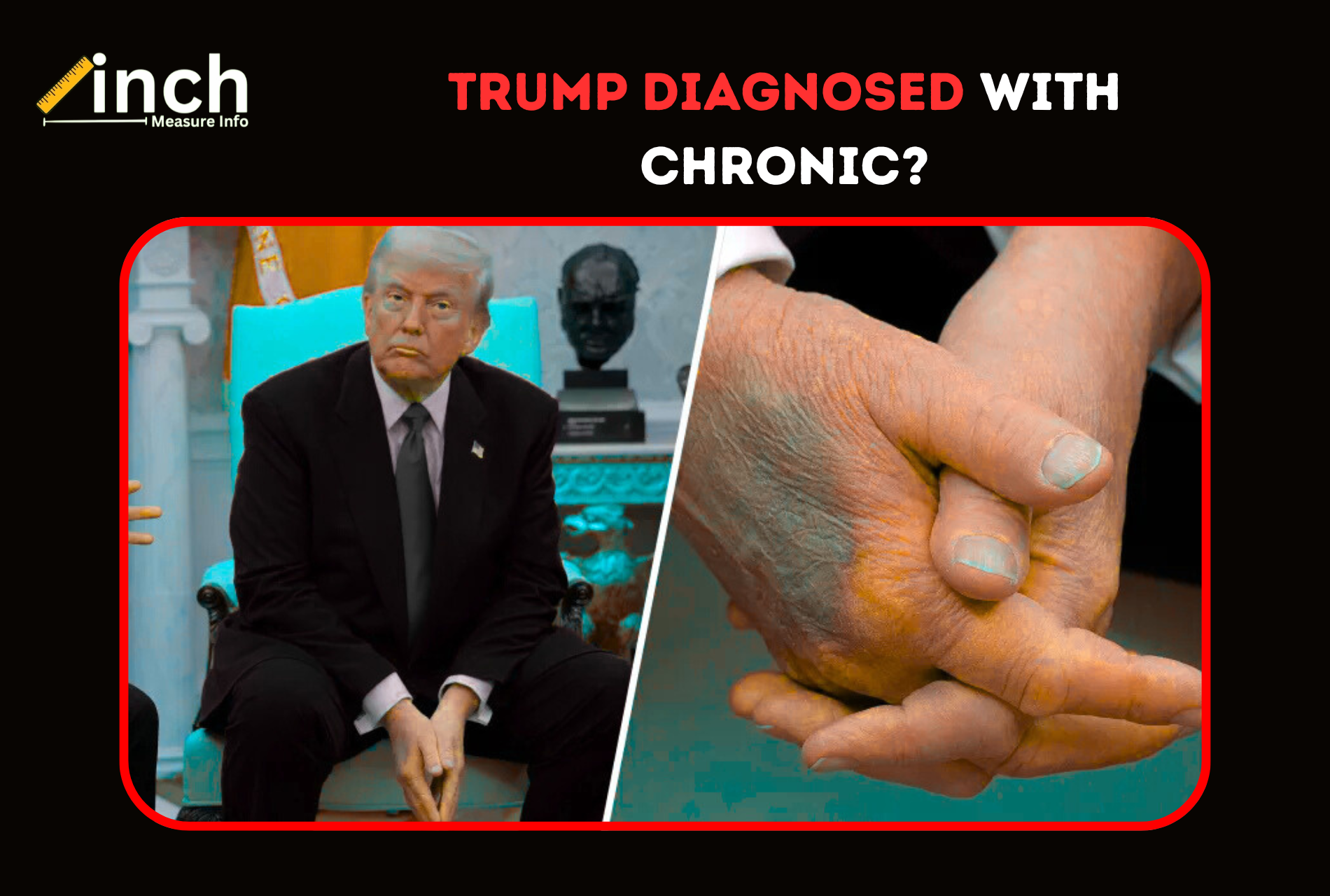
Every day, millions of people search the internet for breaking news, health updates, and headlines about well-known public figures. One search phrase that frequently appears is “trump diagnosed with chronic”. When people type this into Google, they are usually not looking for medical textbooks or technical definitions. Instead, they are trying to understand what they may have heard, what is true, and whether there is any verified information behind the claim.
Explore Celebrity News and Updates
Search trends like this often rise after political speeches, media appearances, viral social media posts, or opinion pieces. Health-related keywords connected to famous individuals naturally attract attention because people associate leadership, age, and public responsibility with physical well-being. However, these searches also highlight a common problem: confusion between rumors, assumptions, and confirmed facts.
This article does not attempt to diagnose anyone. Instead, it explains what the word “chronic” means, why such searches become popular, and how readers can responsibly understand and evaluate health-related claims about public figures.
2. Clear Explanation: What Does “Chronic” Actually Mean?
The word chronic is often misunderstood. Many people think it automatically means serious, dangerous, or life-threatening. In reality, that is not always true.
In simple terms, a chronic condition is one that lasts for a long time. It does not describe how severe a condition is. Some chronic conditions are mild and manageable, while others can be more serious. Examples of chronic conditions include allergies, back pain, arthritis, asthma, and high blood pressure.
When people see the phrase “diagnosed with chronic” attached to a public figure’s name, they often assume:
- Something new has happened
- The condition is secret or hidden
- The person can no longer function normally
In most cases, these assumptions are incorrect. Chronic does not mean sudden, and it does not automatically mean disabling. It simply refers to duration, not drama.
3. Real-Life Examples (Very Important)
To better understand why the term “chronic” causes confusion, let’s look at real-life, everyday examples.
Example 1: Chronic Back Pain at Home
Imagine a person who has had lower back pain for five years. They go to work, drive, lift groceries, and live a normal life. The pain comes and goes, but it lasts long-term. This is called chronic back pain, even if the person is fully active.
Example 2: Chronic Allergies in Daily Life
Many people suffer from allergies every spring. They sneeze, their eyes itch, and they need medication. These allergies return year after year. This is a chronic condition, but it does not stop them from living normally.
Example 3: Chronic Vision Issues While Shopping
Someone may need glasses from childhood onward. Poor eyesight that lasts for years is considered chronic. Yet this person shops, drives, works, and lives independently.
These examples show why attaching the word “chronic” to someone’s name does not automatically indicate crisis or incapacity.
4. Use Cases: Why This Topic Matters
Understanding searches like “trump diagnosed with chronic” is useful in many areas of life.
Media and News Consumption
People often read headlines quickly without context. Knowing what terms actually mean helps readers avoid panic or false conclusions.
Education and Critical Thinking
Students and researchers must learn to separate verified information from speculation, especially when studying politics or public health.
Social Media Awareness
False or exaggerated health claims spread rapidly online. Understanding terminology helps users avoid sharing misleading posts.
Public Decision-Making
Voters and citizens rely on accurate information. Clear understanding prevents emotional reactions based on incomplete data.
5. Step-by-Step Method: How to Evaluate Health Claims About Public Figures
Instead of believing a headline immediately, follow these steps:
- Check the Source
Is the information coming from an official statement, reputable news outlet, or verified medical disclosure? - Look for Direct Quotes
Reliable reports usually include direct quotes from doctors, official spokespeople, or public records. - Understand the Language
Words like “chronic,” “condition,” or “under observation” are often vague and not emergencies. - Avoid Social Media Assumptions
Viral posts often remove context to gain attention. - Wait for Confirmation
Real medical disclosures are usually repeated across multiple trusted platforms.
6. Reference Table: How Health Information Is Commonly Misinterpreted
| Term Used in Headlines | What People Assume | What It Often Really Means |
| Chronic | Severe illness | Long-term condition |
| Under medical care | Emergency | Routine monitoring |
| Diagnosed | Sudden problem | Condition known for years |
| Health concern | Inability to work | Minor or manageable issue |
This table helps readers quickly understand how wording can change perception.
7. FAQs Section
FAQ 1: Why do people search “trump diagnosed with chronic” so often?
People search this phrase mainly due to curiosity and concern fueled by media coverage, political discussions, and social media speculation. When a public figure appears tired, changes schedule, or is discussed by commentators, users often assume a health issue exists. Search engines reflect public curiosity, not confirmed facts. This keyword trend shows how quickly assumptions turn into search behavior, even without official announcements.
FAQ 2: Does “chronic” always mean a serious medical condition?
No, chronic only describes how long a condition lasts, not how dangerous it is. Many chronic conditions are mild and well-managed. People often confuse chronic with critical, but medically, they are very different. This misunderstanding is a major reason why health-related headlines create unnecessary fear or speculation.
FAQ 3: Are public figures required to share full medical details?
In most countries, public figures are not legally required to disclose complete medical records. They may share limited information if they choose. Privacy laws still apply, even to well-known individuals. Therefore, lack of detail does not confirm or deny any condition.
FAQ 4: How can readers avoid misinformation about political leaders’ health?
Readers should rely on trusted news organizations, official statements, and consistent reporting across multiple outlets. Avoid believing single-source claims or social media screenshots. Understanding basic medical terms also reduces confusion and emotional reactions.
FAQ 5: Why do health rumors spread faster than confirmations?
Health rumors spread quickly because they trigger emotions like fear and curiosity. Confirmations take time, involve privacy considerations, and are often less dramatic. Algorithms also favor sensational content, which increases visibility of unverified claims.
8. Common Mistakes People Make
One common mistake is assuming that long-term equals life-threatening. Another is trusting social media posts without checking the source. Many people also confuse observation with diagnosis or assume silence means secrecy. These misunderstandings lead to unnecessary panic and misinformation.
9. Conclusion
The search term “trump diagnosed with chronic” reflects curiosity, concern, and confusion more than confirmed facts. Understanding what “chronic” truly means helps readers approach such topics calmly and responsibly. In a world filled with fast headlines and viral content, knowledge and context matter more than speculation.
Rather than focusing on rumors, readers should aim to understand terminology, verify sources, and think critically. This approach leads to better awareness—not just about public figures, but about health information in general.
