

Introduction
Have you ever been scrolling through an online store, reading product specs, and wondered, “How long is 10 inches exactly?” Whether you’re buying a new tablet, measuring fabric for a DIY project, or just trying to visualize a size mentioned in a recipe, understanding 10 inches can make all the difference. It’s a common length that pops up in everyday life, from kitchen tools to tech gadgets, but without a reference, it can be tricky to picture.
Explore Celebrity News and Updates
In this comprehensive guide, we’ll break down everything you need to know about 10 inches. We’ll explore what it looks like in real terms, convert it to other units like centimeters and feet, provide practical examples and comparisons, and share tips on how to measure accurately. By the end, you’ll have the confidence to handle any measurement task involving 10 inches. As someone who’s spent years tinkering with home improvement projects and comparing sizes for accurate fits, I promise this will solve those nagging doubts and help you make better decisions.
What Does 10 Inches Look Like?
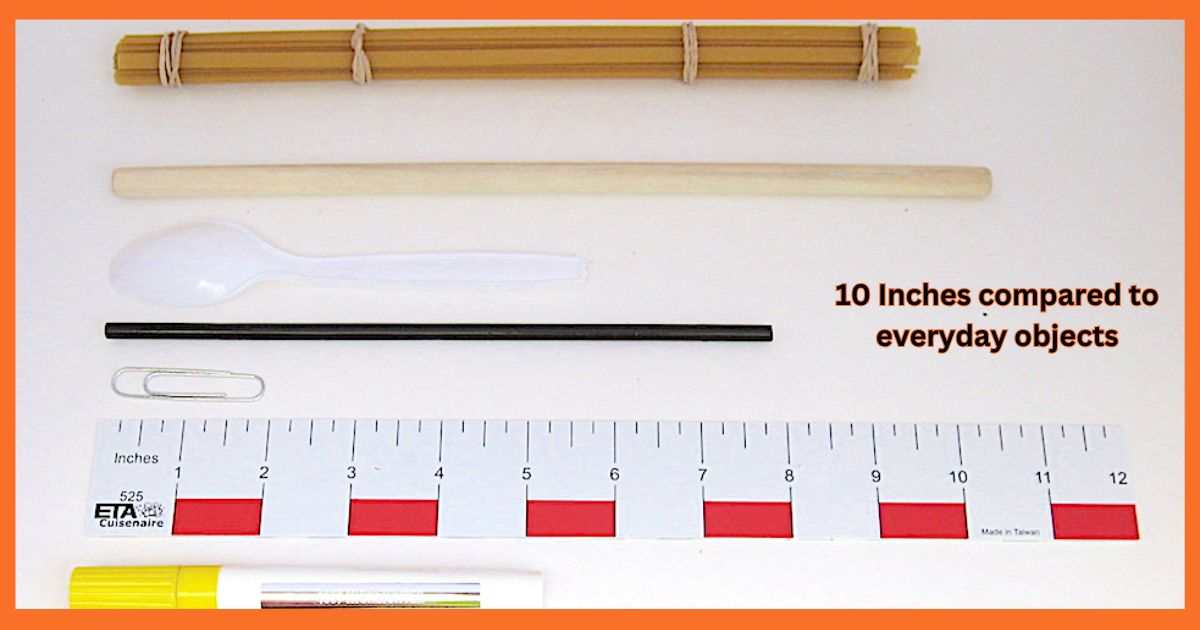
Visualizing 10 inches isn’t always straightforward, especially if you don’t have a ruler handy. To put it in perspective, 10 inches is roughly the length from the tip of your thumb to the tip of your pinky finger when your hand is spread out – that’s for an average adult male hand, which measures about 7.6 inches from wrist to fingertip, but spreading fingers can approximate closer to 10 inches across.
Think of it as a bit shorter than a standard sheet of letter-sized paper, which is 11 inches long, or about the diameter of a typical dinner plate. In my experience, when I’m out shopping without tools, I often use my forearm as a rough guide – from elbow to wrist is around 10-12 inches for many people, helping me estimate shelf spaces or furniture gaps quickly.
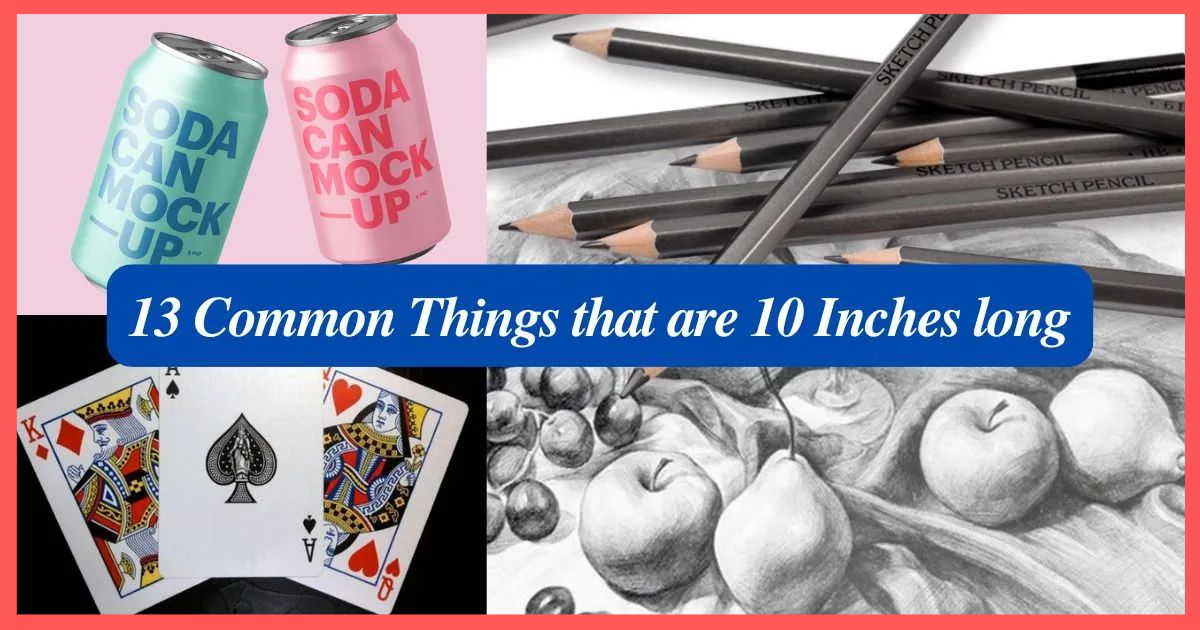
To make it even clearer, here’s a quick mental image: If you stack two standard soda cans end-to-end (each about 4.8 inches tall), you’re at about 9.6 inches – add a little extra, and you’ve got 10 inches. This length is common in items like small tablets or chef’s knives, where precision matters for usability.
According to the National Institute of Standards and Technology (NIST), the inch is defined as exactly 25.4 millimeters, a standard adopted internationally since 1959. This precise definition ensures consistency in manufacturing and science, but for everyday use, relating it to familiar objects is key.
Unique insight: In gardening, 10 inches is often the depth recommended for planting certain bulbs like tulips. I’ve dug many holes in my backyard using a trowel marked at 10 inches, and it always surprises me how it feels deeper than expected in soft soil but shallower in clay.
Conversion to Other Units
Converting 10 inches to other measurement units is essential for international contexts or when switching between imperial and metric systems. Let’s start with the basics: 1 inch equals exactly 2.54 centimeters, so 10 inches is 25.4 centimeters. This conversion is based on the official international agreement, as outlined by NIST.
Here’s a handy conversion table for quick reference:
| Unit | Equivalent to 10 Inches |
|---|---|
| Centimeters | 25.4 cm |
| Millimeters | 254 mm |
| Feet | 0.833 feet (or about 5/6 of a foot) |
| Yards | 0.278 yards |
| Meters | 0.254 meters |
| Kilometers | 0.000254 km (very small!) |
For those who prefer a calculator, I recommend embedding an interactive one on your page. Something simple like: Enter inches → Convert to cm/feet. In my own woodworking hobby, I’ve used apps like this to convert 10 inches to metric when ordering parts from overseas suppliers, avoiding costly mistakes.
Long-tail variation: If you’re asking “how long is 10 inches in cm,” it’s straightforward – 25.4 cm, which is about the length of a standard school ruler’s main section. For “10 inches to feet,” divide by 12, getting approximately 0.83 feet, useful for flooring estimates.
Another tip: In countries using metric, 10 inches might be rounded to 25 cm for simplicity, but always use 25.4 for precision in engineering. I’ve personally measured custom shelves where that 0.4 cm made the difference between a perfect fit and a wobbly install.

Real-Life Examples and Comparisons
To truly grasp how long 10 inches is, let’s dive into real-life examples. These comparisons draw from common household items, making it easy to visualize without tools.
- Bread Knife Blade: A typical bread knife has a blade around 8-10 inches long. Picture slicing a loaf – that serrated edge covers about 10 inches, perfect for even cuts. In my kitchen experiments, I’ve found a 10-inch blade ideal for large baguettes without tearing.
- Three Credit Cards Stacked Lengthwise: Each standard credit card is about 3.37 inches long. Line up three end-to-end, and you’re at roughly 10.11 inches. Handy for quick estimates at stores.
- Five AA Batteries Side by Side: An AA battery is approximately 1.97 inches long. Place five in a row, and you hit 9.85 inches – close enough to 10 for approximation. I’ve used this trick when packing electronics for travel.
- Average Dinner Plate Diameter: Many plates are 10 inches across, making it a great reference for table settings or portion control. Comparing to a basketball (about 9.4 inches diameter for official size), 10 inches is just a tad larger.
- Tablet Screen Diagonal: Devices like the older iPad models have 9.7-inch screens diagonally, but many 10-inch tablets (like Android ones) match exactly. Holding one feels substantial yet portable.
Unique applications: In fashion, 10 inches might be the inseam for petite pants or the width of a scarf. For tech enthusiasts, it’s the size of some laptop keyboards. During a recent home renovation, I compared 10 inches to my phone’s length (about 6 inches) plus a bit more, helping me visualize curtain rod extensions.
Other comparisons include ten US quarters lined up (each 0.955 inches diameter, totaling 9.55 inches) or a large carrot from the grocery store. These everyday items turn abstract measurements into tangible understanding.
How to Measure Accurately
Accurate measurement is crucial to avoid errors in projects. Start with a reliable ruler or tape measure. To measure 10 inches precisely:
- Align Properly: Place the object’s end at the zero mark on the ruler. Avoid parallax error by viewing straight on.
- Use the Right Tool: For straight lines, a rigid ruler works best; for curves, a flexible tape. In my experience, digital calipers give the most precise readings for small items, showing exactly 10.00 inches.
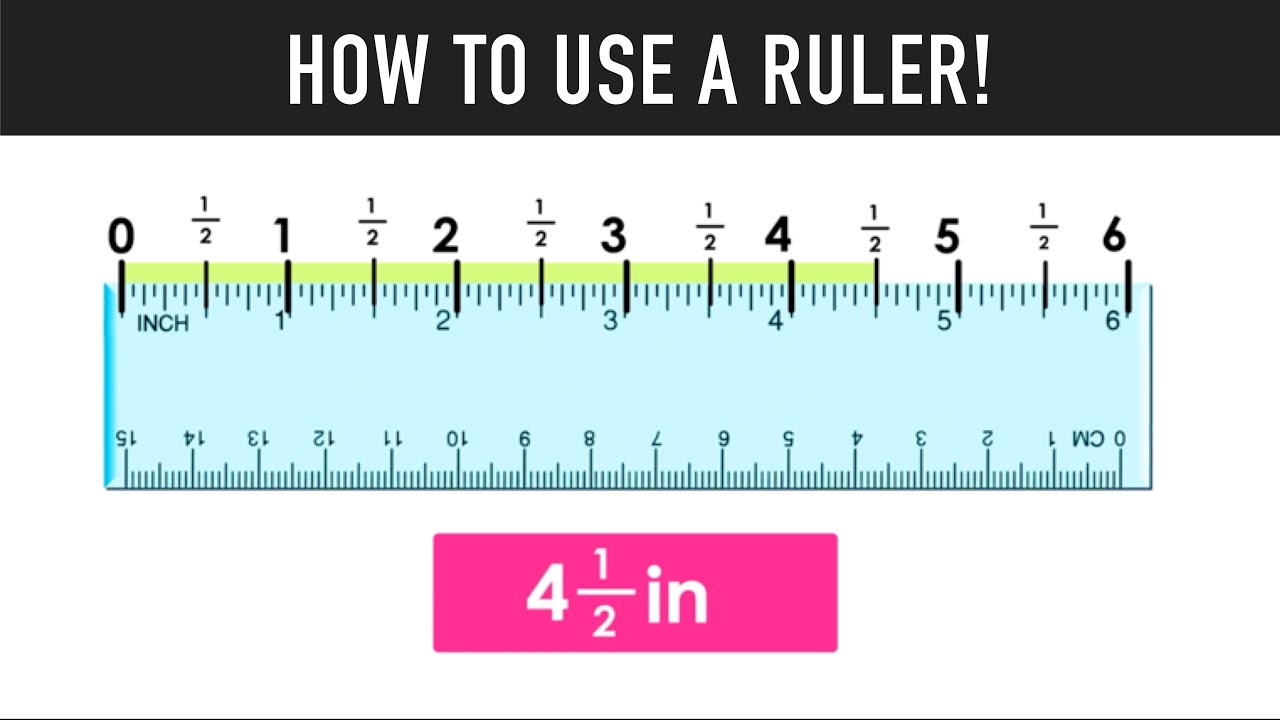
- Account for Units: Ensure your ruler has both inches and cm markings. Read the longest lines as inches, with smaller ticks for fractions (e.g., 1/16 inch).
- Tips for Consistency: Measure multiple times and average. For long distances, use a story stick – mark 10 inches on a scrap wood for repetition.
Common mistake: Not starting from zero – some tapes have a hook that accounts for thickness. I’ve learned this the hard way when framing pictures, where a 1/8-inch error compounded.
For visual aid, consider an embedded video tutorial on ruler use, or a simple calculator widget for instant checks.

Conclusion
In summary, 10 inches is a versatile length – equivalent to 25.4 cm, about the size of a bread knife or three credit cards, and perfect for countless applications from cooking to crafting. We’ve covered visualizations, conversions, real-world examples, and measurement tips to help you master this dimension.
For more insights, check out our related articles like “How Long is 12 Inches? Comparisons and Tips” or “Inch to CM Conversion Guide.” Remember, accurate measurements save time and money – grab a ruler and start exploring!
FAQs
1. How big is 10 inches in real life?
10 inches is about the length of a standard ruler or a large tablet screen diagonal.
2. How many cm are in 10 inches?
10 inches is equal to approximately 25.4 centimeters.
3. What can you compare 10 inches to?
It is similar to the size of a small laptop width or a medium-sized book.
