

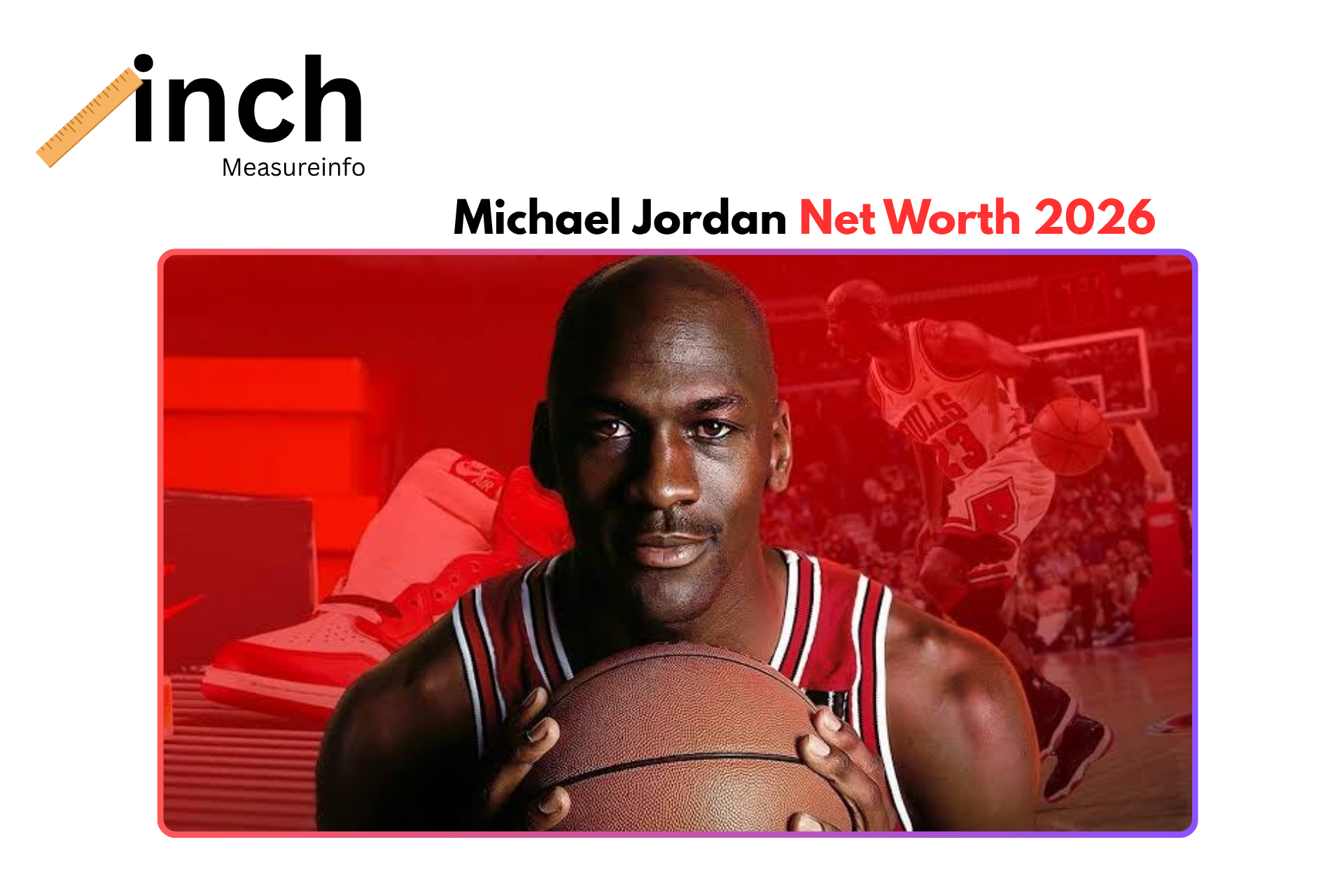
Michael Jordan is more than a basketball icon—he is a global brand, a business powerhouse, and one of the wealthiest retired athletes in history. As of April 2026, Forbes estimates his net worth at $4.3 billion, placing him among the world’s top 1,000 richest people and far ahead of any other former professional athlete.
This figure marks a significant rise from previous estimates around $3.8 billion, driven largely by his enduring partnership with Nike and smart investments. Jordan’s story shows how on-court excellence can translate into lasting off-court wealth. From humble beginnings in North Carolina to building an empire that generates hundreds of millions annually, his journey offers powerful lessons in branding, perseverance, and financial intelligence.
Early Life: From Cut Player to College Star
Michael Jeffrey Jordan was born on February 17, 1963, in Brooklyn, New York, but grew up in Wilmington, North Carolina. His parents, James and Deloris Jordan, instilled strong values of hard work and competitiveness. As a child, Jordan loved sports—especially baseball, his father’s favorite—but basketball soon captured his heart.
A famous story from his high school years at Laney High School highlights his drive. As a sophomore, standing just 5’11” and skinny, he was cut from the varsity basketball team. Instead of giving up, Jordan used the rejection as fuel. He practiced relentlessly, grew taller, and eventually became a star. By his senior year, he had transformed into a highly recruited athlete.
Jordan attended the University of North Carolina at Chapel Hill, where he played under legendary coach Dean Smith. In 1982, as a freshman, he hit the game-winning shot in the NCAA national championship game against Georgetown. That moment put him on the national stage and foreshadowed his clutch performances in the NBA.
His college success earned him a spot on the 1984 U.S. Olympic team, where he helped win gold. Later that year, the Chicago Bulls selected him with the third overall pick in the NBA Draft.
NBA Career: Dominating the Court and Winning Six Championships
Jordan’s NBA debut in 1984-85 was electric. He averaged 28.2 points per game, won Rookie of the Year, and quickly became the league’s most exciting player. Known for his incredible athleticism, hang time, and killer instinct, he earned the nickname “Air Jordan” for his gravity-defying dunks.
Despite early playoff disappointments against strong teams like the Detroit Pistons and Boston Celtics, Jordan’s individual dominance was unmatched. He won his first NBA scoring title in 1987 and led the league in scoring for seven straight seasons. In 1988, he added Defensive Player of the Year honors while earning his first MVP award.
The breakthrough came in 1991. Jordan led the Bulls to their first NBA championship, defeating the Los Angeles Lakers in the Finals. He was named Finals MVP. The Bulls repeated as champions in 1992 and 1993, completing the first of two three-peats. Jordan earned Finals MVP in all six of his championship series.
After a brief retirement in 1993 to pursue baseball (following the tragic murder of his father), Jordan returned in 1995. The 1995-96 season was historic: the Bulls posted a record 72-10 regular-season mark and won another title. Two more championships followed in 1997 and 1998, with Jordan delivering iconic moments like the “Flu Game” and the game-winning shot in the 1998 Finals.
He retired for good after a two-year stint with the Washington Wizards (2001-2003). Over 15 NBA seasons, Jordan scored 32,292 points with a career average of 30.1 points per game—the highest in league history. He earned five regular-season MVPs, 14 All-Star selections, 10 scoring titles, and nine All-Defensive First Team honors.
Jordan’s on-court earnings totaled about $90-94 million in salary across his career—a solid sum for his era but modest compared to today’s superstars. His true financial explosion happened off the court.
The Air Jordan Brand: A Revolution in Sports Marketing
In 1984, Nike took a bold gamble on the rookie Jordan, signing him to a five-year deal worth $500,000 per year plus royalties. At the time, Nike was struggling in the basketball shoe market. Jordan’s agent, David Falk, pushed for a signature line, and the Air Jordan 1 launched in 1985.
The shoes were an instant sensation. Nike projected modest sales, but the first year alone generated $126 million in revenue—far exceeding expectations. The iconic “Jumpman” logo, inspired by Jordan’s dunking pose, became a cultural phenomenon.
What started as a shoe line evolved into the Jordan Brand, a lifestyle empire. Today, it generates billions in annual revenue for Nike. Jordan reportedly receives around 5% in royalties, translating to $150-300 million per year in recent estimates. Over his lifetime, the Nike partnership has earned him well over $1.3-2.35 billion pre-tax.
The Air Jordan line transformed athlete endorsements. It showed that a player’s personal brand could extend far beyond the court, influencing fashion, streetwear, and global pop culture. Retro releases still sell out, and new models continue to drop, keeping the revenue stream alive decades after Jordan’s last game.
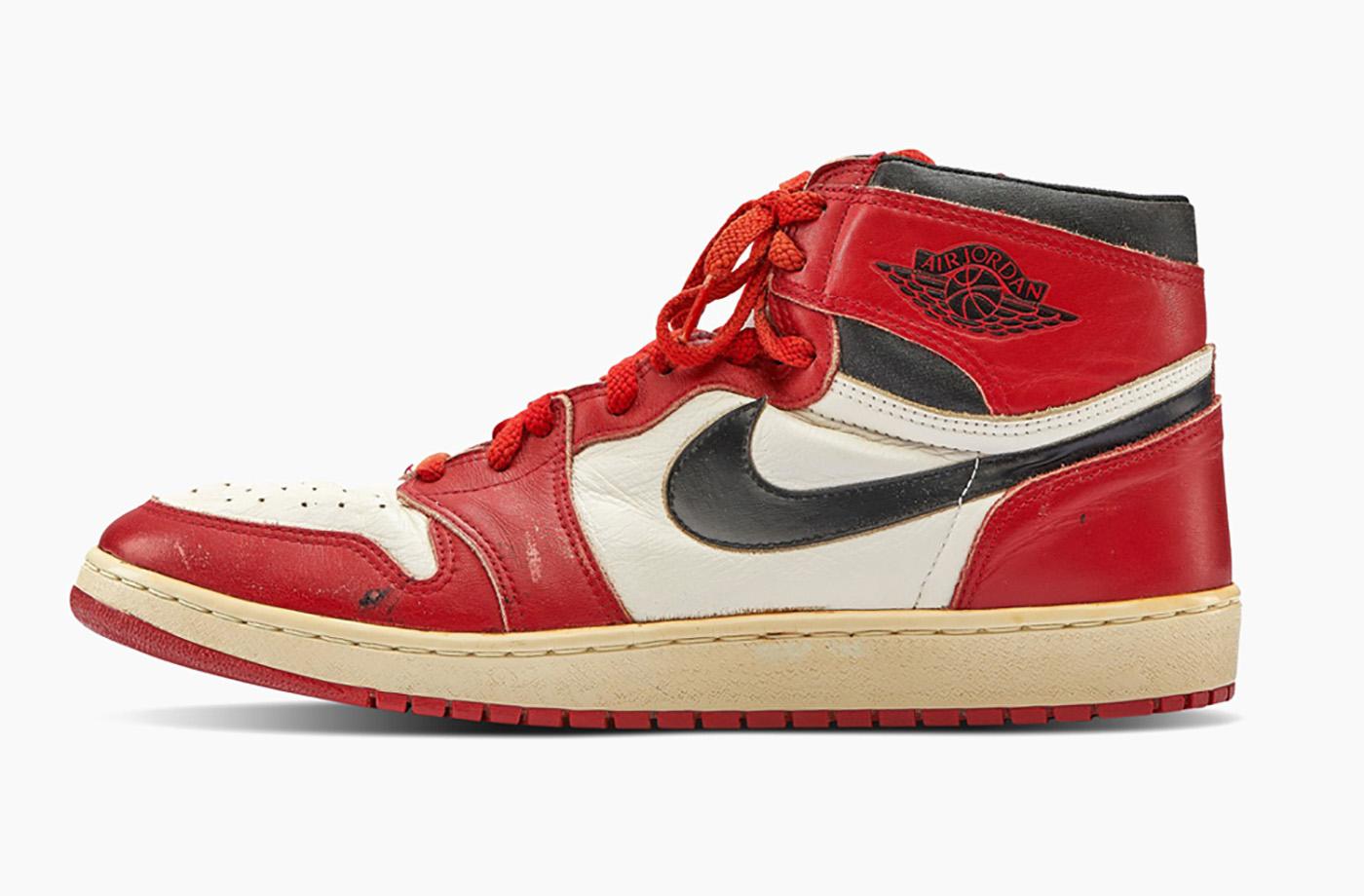
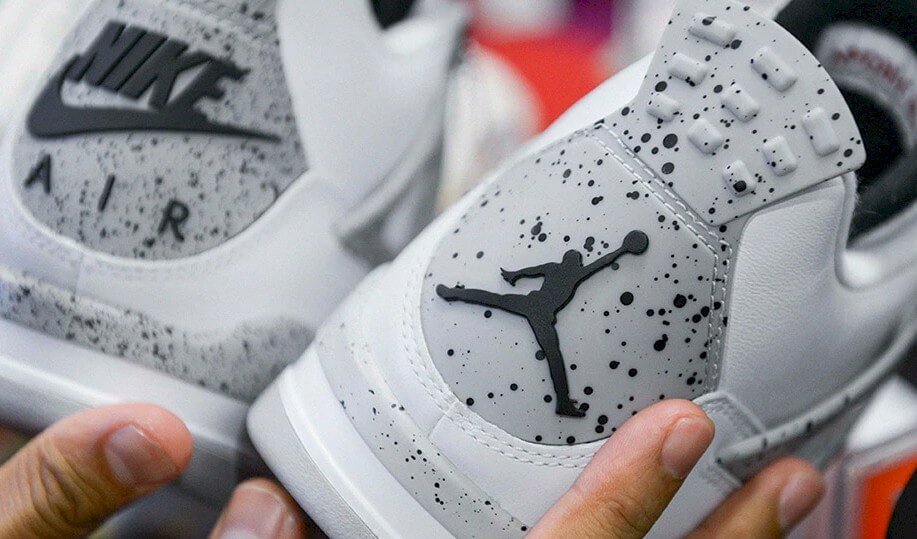
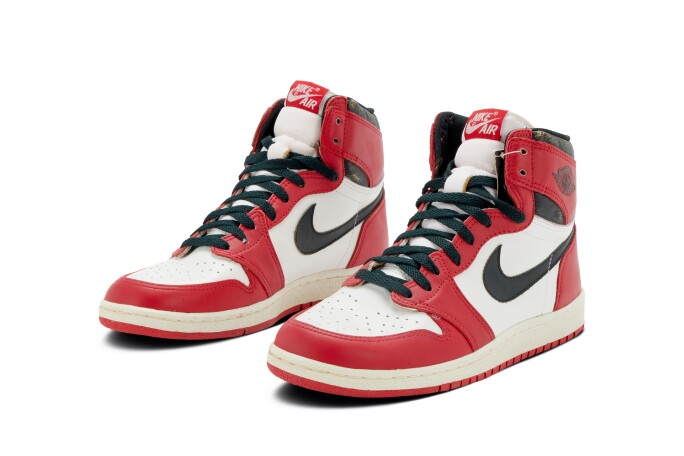
Beyond Nike, Jordan signed major deals with Gatorade (“Be Like Mike” campaign), Hanes, McDonald’s, and others. These partnerships added hundreds of millions more to his wealth, with total pre-tax endorsement earnings estimated at $2.4 billion.
Business Ventures and Investments: Building a Billion-Dollar Portfolio
Jordan’s business acumen shines in his ownership stakes. In 2010, he became the majority owner of the Charlotte Hornets (then Bobcats). He sold his controlling stake in 2023 in a deal valuing the franchise at around $3 billion, retaining a minority interest. This transaction was a major wealth booster.
He co-owns 23XI Racing in NASCAR, a team that has achieved success with drivers like Bubba Wallace. Jordan also invested in DraftKings as a special advisor and has stakes in other ventures, including Cincoro Tequila and various tech and sports-related opportunities.
These moves demonstrate diversification. While the Jordan Brand remains the cornerstone, sports ownership and strategic investments have compounded his fortune significantly.
Personal Life, Family, and Philanthropy
Jordan married Juanita Vanoy in 1989; they had three children (Jeffrey, Marcus, and Jasmine) before divorcing in 2006. In 2013, he married Yvette Prieto, with whom he has twin daughters, Victoria and Ysabel.
Despite his wealth, Jordan maintains a competitive spirit and low-key personal style in many ways. He owns luxury properties, including homes in Florida and North Carolina, and enjoys golf and family time.
Philanthropy is a key part of his legacy. Jordan has donated tens of millions to causes in education, health, and social justice. Notable gifts include $7 million for Novant Health Michael Jordan Family Clinics in Charlotte, $10 million to Make-A-Wish (one of the largest individual donations in its history), and support for Hurricane Florence relief. He has pledged $100 million over 10 years to organizations promoting racial equality. Through the Jordan Brand and personal efforts, he continues giving back to communities, especially in Chicago and North Carolina.

Breakdown of Michael Jordan’s Net Worth in 2026
- Jordan Brand/Nike Royalties: The largest source, generating $150-300 million annually. Lifetime earnings from Nike exceed $1.3-2.35 billion.
- NBA Salary: Approximately $90-94 million (about 2-3% of his total wealth).
- Other Endorsements: Deals with Gatorade, Hanes, and more contributed hundreds of millions.
- Team Ownership and Investments: Hornets sale proceeds and stakes in NASCAR, DraftKings, etc., add substantial value.
- Total Estimated Net Worth: $4.3 billion (Forbes, 2026).
This breakdown highlights a key insight: Jordan earned far more after retirement than during his playing days. His wealth continues growing through passive income streams like royalties.
Legacy and Lessons from Michael Jordan’s Success
Michael Jordan’s net worth reflects more than financial success—it embodies the power of branding, resilience, and long-term vision. He turned a single endorsement deal into a cultural movement and leveraged his fame into ownership opportunities that few athletes achieve.
For aspiring athletes and entrepreneurs, Jordan’s story offers timeless lessons:
- Embrace Competition: Use setbacks (like being cut from his high school team) as motivation.
- Build a Personal Brand: Focus on quality and authenticity to create lasting value.
- Diversify Income: Don’t rely solely on playing salary—invest in assets that generate ongoing revenue.
- Think Long-Term: Endorsement deals and ownership stakes can outlast any career on the court.
- Give Back: True success includes using wealth to impact others positively.
Jordan’s influence extends beyond numbers. He inspired generations with his “Failure” commercial, emphasizing that success comes from overcoming losses. Documentaries like The Last Dance (2020) continue to introduce his mindset to new audiences.
In 2026, at age 63, Michael Jordan remains the undisputed GOAT in many fans’ eyes—not just for his six rings and scoring records, but for proving that athletic greatness can fuel business greatness.
His $4.3 billion net worth is a living testament to what happens when talent meets opportunity, discipline meets vision, and a relentless drive refuses to settle for anything less than the best.
Whether you’re a basketball fan, aspiring entrepreneur, or someone seeking inspiration, Michael Jordan’s journey from a high school benchwarmer to a billionaire icon shows that with hard work, smart decisions, and unwavering belief, extraordinary heights are possible.
Read More : Travis Kelce Net Worth 2026
