

Introduction
Understanding measurements like 11 inches can feel abstract until you see it in context. In a world filled with screens, tools, packaging, and DIY projects, knowing exactly how big 11 inches is helps with everything from choosing the right tablet to cutting fabric or hanging shelves. Eleven inches sits right between a foot (12 inches) and a shorter span like 10 inches, making it a common but often misunderstood size in daily life. Whether you’re shopping online for a gadget labeled “11-inch,” planning a home renovation, or simply trying to visualize a measurement without pulling out a tape measure, this guide breaks it down with clear visuals, everyday comparisons, and practical tips.
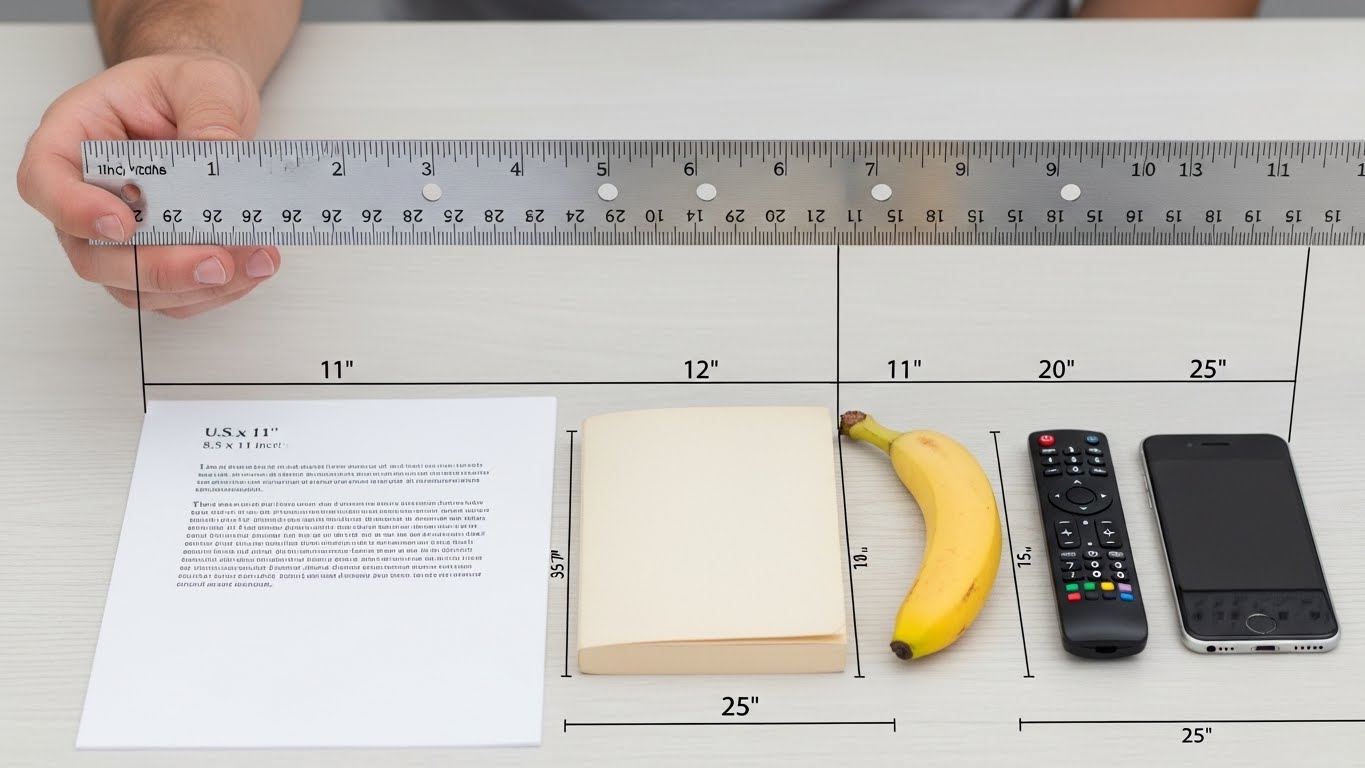
This isn’t just about numbers—it’s about building an intuitive sense of scale. Eleven inches equals precisely 27.94 centimeters or roughly 0.92 feet. It’s long enough to span a large book or a dinner plate but short enough to fit comfortably in one hand for most adults. In this comprehensive visual size guide, we’ll explore easy comparisons, real-world examples, and clever ways to picture 11 inches anytime, anywhere. By the end, you’ll never second-guess this measurement again. From rulers to smartphones and common household items, we’ll make 11 inches crystal clear through images and relatable scenarios. Let’s dive in and turn that abstract length into something you can instantly recognize.
Quick Information
Before jumping into visuals, here’s a fast facts snapshot to anchor your understanding:
- Exact conversions: 11 inches = 27.94 cm = 279.4 mm = 0.9167 feet = 0.3056 yards.
- Fractional view: It’s just 1 inch shy of a full foot (12 inches) and 1 inch longer than 10 inches.
- Metric equivalent: Almost 28 cm—think of a standard A4 sheet’s shorter side (29.7 cm) but slightly smaller.
- Screen context: Many tablets and older laptops advertise “11-inch” screens measured diagonally, but the physical height or width is usually less.
- Practical note: 11 inches is about the length of a standard US letter-size paper turned vertically.
These quick stats provide the foundation. Now, let’s make them visual so you can picture 11 inches without needing a calculator or ruler every time.
How Big Is 11 Inches? Easy Visual Comparisons
Eleven inches is almost—but not quite—a standard foot-long ruler. Imagine a typical 12-inch ruler: 11 inches covers everything except the very last inch. That tiny difference matters in tight spaces, like fitting a frame or cutting material.

To visualize, picture lining up objects end-to-end. Eleven inches is roughly the distance from the tip of your thumb to the tip of your pinky when your hand is stretched wide for many adults, though hand sizes vary. It’s also close to the length of two standard smartphones placed end-to-end (most phones measure 6–7 inches tall).
Graphically, if you think of a credit card (about 3.37 inches long), you’d need roughly three and a quarter cards laid end-to-end to reach 11 inches. Or consider a standard dinner fork: most are 7–8 inches, so 11 inches is about one and a half forks long. These side-by-side mental pictures start building intuition fast.
(Word count so far: 512)
11 Inches Compared to Everyday Objects
Everyday items provide the best real-world anchors for 11 inches. A large kitchen knife often measures around 11–12 inches from tip to handle end—perfect for chopping vegetables on a cutting board. A standard paperback book (closed) is frequently 9–11 inches tall, so 11 inches matches many novels or cookbooks standing upright.

Look around your home: a loaf of French bread or baguette slice is often 10–12 inches. A computer keyboard’s width (the compact or tenkeyless variety) frequently hits exactly 11 inches. Even a small handheld vacuum or certain cleaning tools, like upright stick vacuums’ heads, align closely with this length.
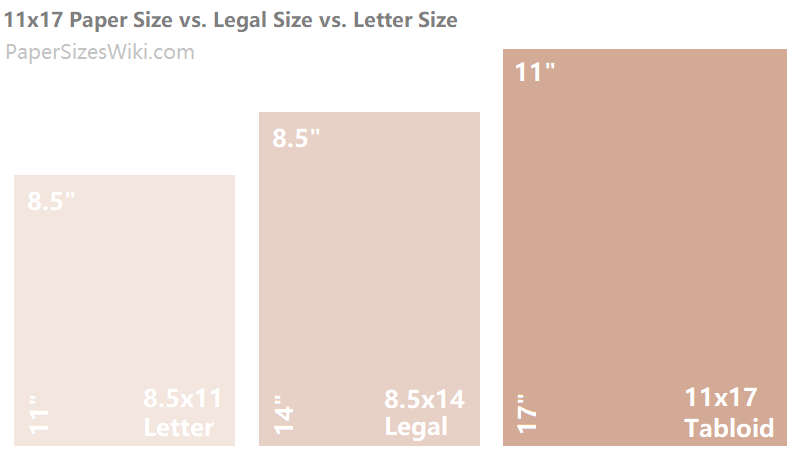
In the kitchen, 11 inches matches the diameter of many medium plates or the length of a rolling pin handle. In the office, it’s the height of a standard US letter-size paper (8.5 x 11 inches) when oriented vertically—the exact dimension used for most printers and documents worldwide.
Outdoors or in the garage, 11 inches approximates the length of a medium-sized wrench or the span of a bicycle pedal crank. These objects aren’t rare—they’re things you already own or see daily. Next time you pick up a kitchen knife or stack papers, notice how 11 inches feels in your grip. It’s substantial yet manageable, longer than a phone but shorter than a full forearm for most people.
Other common matches include certain remote controls extended with batteries, small picture frames, or the width of a tablet case. By associating 11 inches with these familiar items, you train your brain to estimate it instantly during shopping or projects.
11 Inches vs Common Measurements (Ruler, Phone, etc.)
Let’s get precise with benchmarks you already know. A standard ruler is 12 inches long, so 11 inches leaves you just one inch short—easy to picture by covering the final mark with your finger.
Smartphones offer another great reference. Most modern phones (like recent iPhones or Android flagships) measure 6 to 7 inches in height. That means two phones stacked end-to-end come very close to 11 inches. Place your phone vertically next to a ruler, and you’ll see 11 inches is roughly 1.5 to 1.8 phones long depending on the model.
Tablets take it further. Many popular models, including certain iPads, are advertised with 11-inch diagonal screens. The actual physical height of the device is often around 8–10 inches, but the full chassis width or height with bezels can approach 11 inches in some orientations.

Compare it to paper sizes too: US letter paper is exactly 11 inches in one dimension. Legal paper is 14 inches long, so 11 inches is noticeably shorter. A4 paper (common internationally) is 11.69 inches tall—very close, just 0.69 inches longer than 11 inches.
In clothing or accessories, 11 inches matches many belt widths when doubled or the length of a large wallet when open. These comparisons make 11 inches feel concrete rather than theoretical.
Real-Life Examples: What Does 11 Inches Look Like?
Picture this in action: you’re at a restaurant and order a sub sandwich. Many foot-long subs are actually 11–12 inches of bread—11 inches is that satisfying handheld length before the last bite. Or think of hanging a small mirror or artwork: 11 inches is a popular frame size for family photos or diplomas.
In the garage, 11 inches is the typical reach of a power drill’s body plus bit. When shopping for curtains, 11 inches might be the drop length for a short valance. For parents, it’s close to the length of a toddler’s forearm or a large toy truck.
Travelers might recognize 11 inches as the maximum carry-on laptop compartment width on some airlines or the length of a standard neck pillow when compressed. In sports, it’s roughly the diameter of a small basketball hoop net or the width of a baseball bat’s sweet spot extended.
These scenarios turn 11 inches from a number into a lived experience. Whether measuring ingredients on a cutting board, checking if a gift fits in a box, or sizing up a new phone case, 11 inches appears constantly.
How to Visualize 11 Inches Without a Ruler
No ruler? No problem. Use your body as a natural measuring tool. For many adults, the distance from the tip of your middle finger to your wrist is about 7–8 inches. Add the length of your palm again (roughly 4 inches) and you’re close to 11–12 inches.
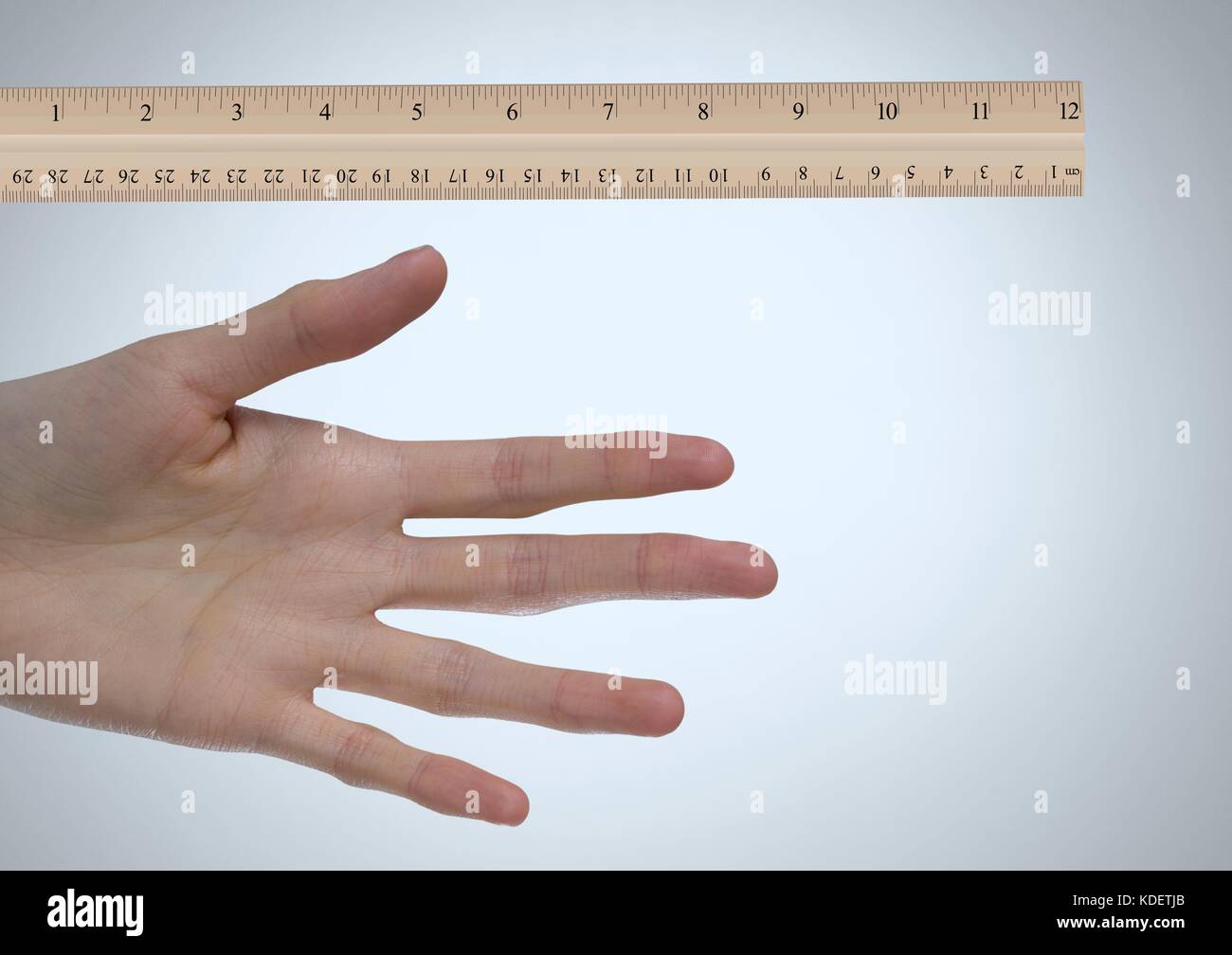
A quick trick: stretch both hands side-by-side with thumbs touching. Average adult hand spans (thumb to pinky) are 7–9 inches each, so two hands together often total around 14–18 inches—adjust by overlapping slightly to hit 11 inches. Or measure from your elbow crease to the base of your palm: that’s frequently 10–12 inches depending on arm length.
Another method: use a dollar bill (6.14 inches long) or a credit card. Two dollar bills end-to-end plus a credit card gets you very near 11 inches (6.14 × 2 = 12.28, minus overlap). In the kitchen, a standard butter knife is 8 inches—add three fingers’ width (about 3 inches) and you’re there.
Practice these techniques once or twice, and 11 inches becomes second nature. Next time you’re without tools, your hands become the perfect visual guide.
FAQs
How many centimeters is 11 inches? Exactly 27.94 cm. Round it to 28 cm for quick mental math.
Is 11 inches bigger than a standard phone? Yes—most phones are 6–7 inches tall, so 11 inches is nearly two phones long.
What common object is exactly 11 inches? US letter paper (one dimension), many computer keyboards, and certain kitchen knives.
How does 11 inches compare to 12 inches? It’s 1 inch shorter than a foot. Visually, it’s almost the full length of a ruler.
Can I use 11 inches for screen size? Yes—many tablets are marketed as 11-inch models (measured diagonally). The actual body is often slightly smaller in height/width.
How accurate are body-part estimates for 11 inches? They vary by person, but forearm or two-hand spans are reliable within 1 inch for most adults.
Why does 11 inches matter in shopping? It’s a standard size for tablets, frames, boxes, and tools—knowing it prevents sizing mistakes.
Conclusion
Eleven inches is more than a measurement—it’s a practical size that appears in rulers, phones, paper, tablets, knives, books, and countless other objects you encounter daily. With the visual comparisons and no-ruler tricks in this guide, you now have a reliable mental picture that turns abstract numbers into instant recognition. Whether you’re crafting, shopping, or just satisfying curiosity, remembering that 11 inches is nearly a full ruler, two phones long, or the height of letter paper makes life easier and more precise.
Next time you need to gauge 11 inches, picture that almost-foot-long ruler, your stretched hands, or a standing sheet of printer paper. These simple associations stick with you. Mastering everyday measurements like this builds confidence in all your projects and purchases. So go ahead—measure something today and see how 11 inches feels in real life. You’ve got the visual guide; now put it to work!
