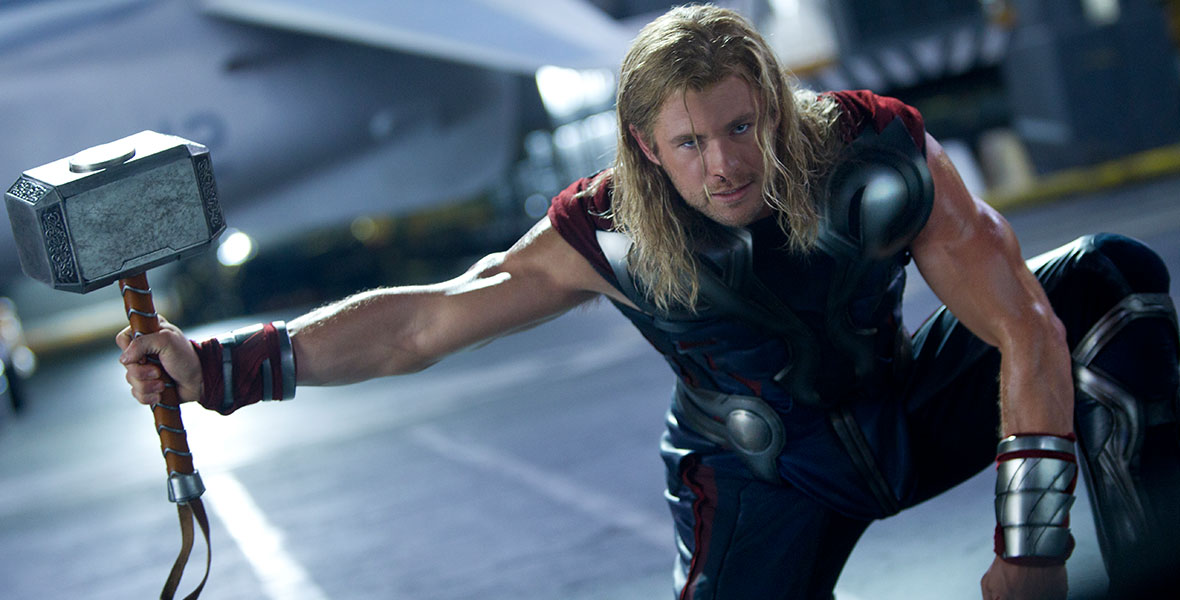

When you hear “Thor 2.0,” you’re not just talking about the same old hammer-swinging Asgardian from the 1960s comics. This is the modern, battle-tested, emotionally deeper version of the God of Thunder who has lived through loss, failure, and total reinvention. Whether you’re a die-hard MCU fan or a comic reader who’s followed every issue since Jane Foster picked up Mjolnir, Thor 2.0 feels like the character finally grew up. He’s no longer just the arrogant prince who got banished to Earth for a lesson. He’s a god who has questioned everything – his worth, his power, even his identity – and come out stronger.
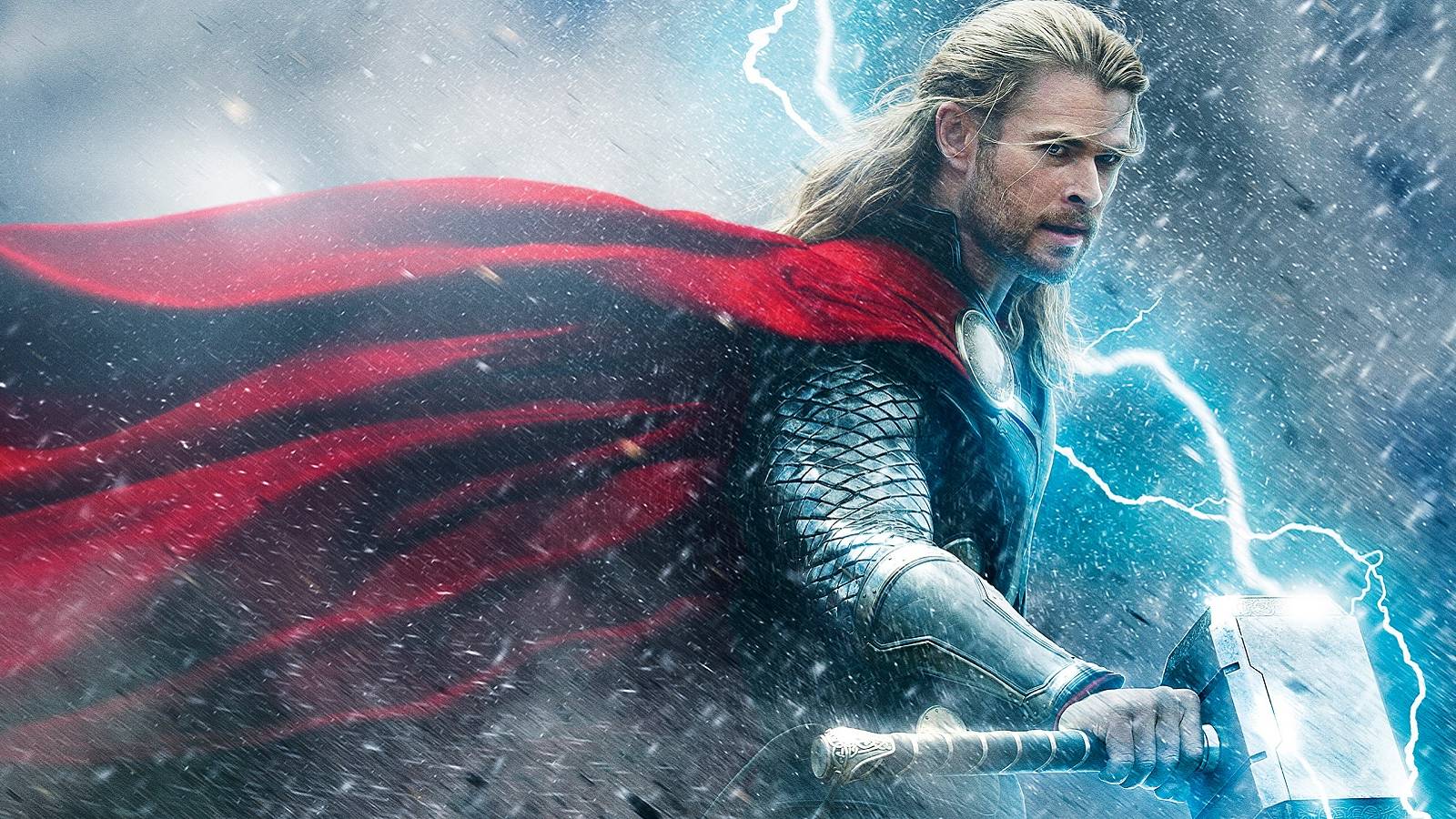
Let’s start from the beginning so you understand exactly why this “2.0” label fits so perfectly. Thor first appeared in Marvel’s Journey into Mystery #83 back in 1962, created by Stan Lee and Jack Kirby. Inspired by Norse mythology, the original Thor was basically a super-powered Viking with a magic hammer called Mjolnir that only the worthy could lift. He fought Frost Giants, protected Asgard, and occasionally teamed up with the Avengers. Classic stuff. But that version stayed pretty one-dimensional for decades – loud, proud, and always ready for a brawl.
Fast-forward to the Marvel Cinematic Universe in 2011. Chris Hemsworth stepped into the role and instantly made Thor a global superstar. The first Thor movie showed us the cocky young god who gets stripped of his powers and dumped in New Mexico. We watched him learn humility, fall for Jane Foster, and earn back Mjolnir. It was fun, colorful, and full of Shakespearean family drama thanks to Anthony Hopkins as Odin. Then came Thor: The Dark World in 2013 – the film everyone calls “Thor 2” officially – which introduced the Aether and Malekith but felt a bit messy. Still, it planted the seeds for bigger things.
The real turning point? Thor: Ragnarok in 2017. Taika Waititi completely flipped the script. Suddenly Thor was funny, self-deprecating, and rocking a gladiator vibe with short hair and zero cape drama. He lost Asgard, lost his hammer temporarily, and gained a new weapon – Stormbreaker – forged in the fires of Nidavellir with Rocket and Groot’s help. That axe became the symbol of Thor 2.0: raw power mixed with clever improvisation. In Avengers: Infinity War, we saw a broken, bearded Thor who had given up after losing half the universe. Yet he still showed up for the final battle, screaming “I went for the head!” That moment wasn’t just badass; it showed a god who had finally accepted failure as part of growth.
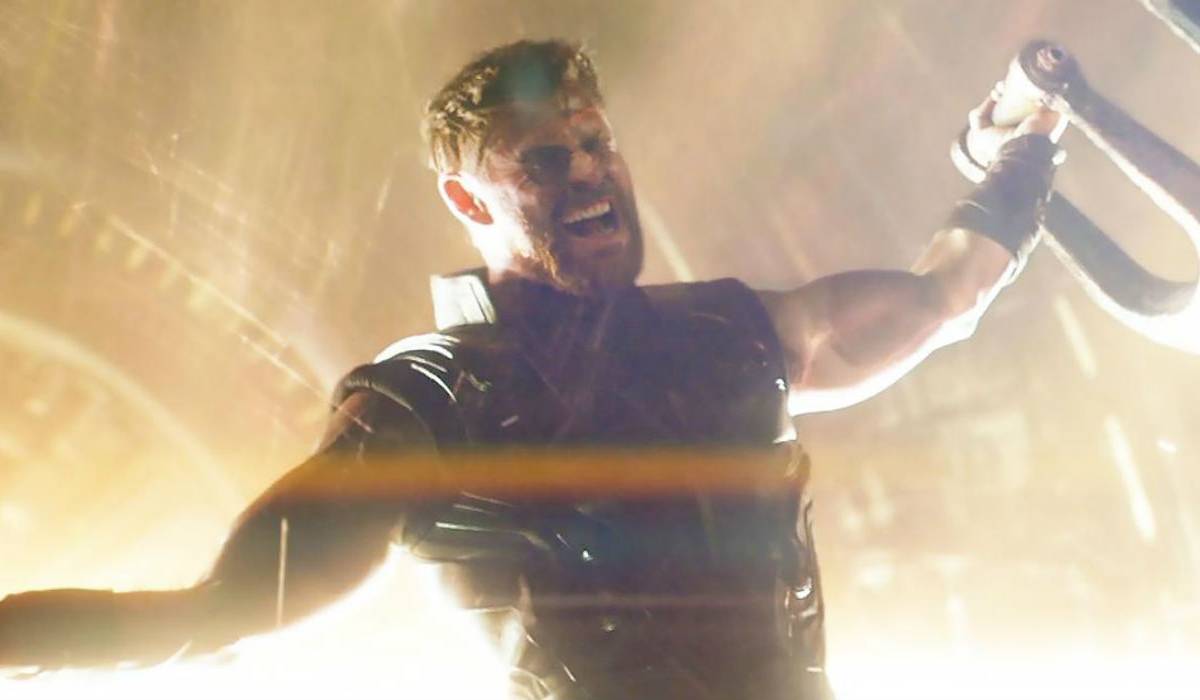
By the time Thor: Love and Thunder dropped in 2022, Thor 2.0 was fully formed. He was dealing with cancer (through Jane Foster’s story in the comics), adopting a kid named Love, and fighting Gorr the God Butcher. The movie mixed humor, heartbreak, and heavy themes about losing the people you love. Hemsworth has said in interviews that he only plans to play Thor “a couple more times,” which makes every appearance feel like a farewell tour for this era of the character. But here’s the thing – even without Hemsworth, Thor isn’t going anywhere. Marvel has been teasing bigger cosmic stories, and the comics have already gone wild with the “Thor 2.0” concept.

In the comics, the real rebirth happened during the “Mighty Thor” run by Jason Aaron. Jane Foster, a human doctor battling cancer, becomes worthy of Mjolnir and takes over as Thor. The original Thor (now called Odinson) loses his hammer and has to redefine himself without it. He grows a beard, fights with an axe, and even becomes the Herald of Galactus for a while – talk about a plot twist! That era explored themes of worthiness, gender, and what it means to be a hero when your body and identity are changing. It was bold, emotional, and exactly what the character needed after decades of the same “worthy god” trope. Recent storylines have pushed it even further: Thor teaming up with other thunder gods, dealing with multiversal threats, and questioning Asgard’s old rules. This is Thor 2.0 at its purest – a god who evolves instead of staying stuck in the past.

What makes Thor 2.0 so special compared to other superheroes? First, the power level. Mjolnir and Stormbreaker aren’t just weapons; they’re extensions of his will. He controls lightning, flies through space, and can survive in the vacuum of space. But more importantly, his emotional growth is unmatched. Most heroes get darker as their stories progress (looking at you, Batman). Thor gets wiser. He laughs at his own mistakes, builds real friendships with humans like Darcy and Erik Selvig, and even finds love again after losing Jane. In a world full of brooding anti-heroes, Thor 2.0 reminds us that strength includes vulnerability.
Pop culture impact? Massive. Thor helped turn the MCU into a $30 billion franchise. Kids in Karachi to kids in Kansas grew up wanting to lift Mjolnir. Cosplay events worldwide feature everything from classic armored Thor to the Ragnarok gladiator look. Merchandise – from Funko Pops to Hot Toys figures – flies off shelves. Even the science side loves him; physicists joke about how Mjolnir’s “worthiness” enchantment could inspire real-world materials research. And let’s not forget the fitness influence – Hemsworth’s “Thor workout” became legendary, pushing millions to hit the gym.
Looking ahead to the future of Thor 2.0, Marvel has big plans. Rumors swirl about a fifth Thor movie or major Avengers crossovers where the God of Thunder plays a central role in multiversal wars. In the comics, the “War of the Realms” and beyond have already shown how Thor’s story keeps expanding. Will we see a new actor take the mantle? Or will Hemsworth return for one last ride? Either way, the character is built to last. He represents hope, resilience, and the idea that even gods need to grow.
In the end, Thor 2.0 isn’t about a new costume or a new hammer. It’s about a legend who refuses to stay the same. From arrogant prince to broken warrior to wise protector, his journey mirrors our own struggles – losing everything and still choosing to fight for what’s right. Next time you watch him summon lightning on screen or flip through a comic where he battles cosmic gods, remember: this isn’t the Thor your parents read about. This is the upgraded, battle-hardened, emotionally intelligent version who feels more real than ever.
Whether you’re catching up on the MCU on Disney+ or diving into the latest Marvel comics, Thor 2.0 proves one thing: the God of Thunder isn’t done yet. He’s just getting started on his next legendary chapter. Worthy? Absolutely. And we can’t wait to see what thunder he brings next.